All Guests
Marlee Silva

Marlee Silva

A Kamilaroi and Dunghutti woman, The founder of Tiddas 4 Tiddas

1 episodeAug 2019

About Marlee

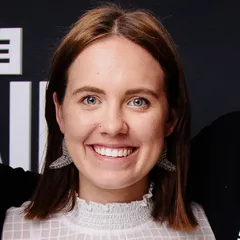
Marlee Silva - A Kamilaroi and Dunghutti woman, National Youth Advisor at Australian Red Cross, and the founder of Tiddas 4 Tiddas.

In 2019, Marlee founded Tiddas 4 Tiddas, a podcast and an initiative which focuses on raising awareness around Indigenous culture and society. The stories that Marlee shares through her podcast, empower Indigenous women by helping them understand their worth, and what they're capable of.

Marlee on Instagram: https://www.instagram.com/marlee.silva

Marlee's podcast, Tiddas 4 Tiddas:
https://www.mamamia.com.au/podcasts/tiddas-4-tiddas/tiddas-4-tiddas/

Tiddas 4 Tiddas on Instagram: https://www.instagram.com/tiddas4tiddas/

In Marlee’s words

Verbatim from the transcripts — each quote links to the moment.

“It's weird because this whole like speaking life is not that new to me.”
Ep 436▶ 5:07
“The biggest thing that you need... is who you surround yourself with. It is so vital.”
Ep 436▶ 24:12
“The highest population of Aboriginal people in the country is in Western Sydney, right? That's the highest concentration.”
Ep 436▶ 56:50

Marlee’s advice on the show

How do you deal with toxic or draining friendships when trying to focus on career and wellbeing?

Gradually move away rather than confronting people directly—declining invitations repeatedly naturally reduces contact without animosity, and prioritise surrounding yourself with people whose energy aligns with your goals.

How do you handle anger productively when advocating for social change?

Allow yourself to feel and express anger in safe one-on-one settings first, then work through it to find a more constructive way to communicate, without letting it turn into lasting bitterness.

Should you ever send your dog on a plane?

Don't send dogs on flights—drive them instead if possible, based on firsthand accounts of how distressing and risky it can be.

How can non-Indigenous people best support Aboriginal communities and causes?

Listen to learn rather than listen to respond, spread the word by following and engaging with platforms like Tiddas 4 Tiddas, consume Aboriginal-authored resources, and attend community events especially around January 26th, NAIDOC Week, and Reconciliation Week.

What should I read to better understand Aboriginal history and experience?

Start with Dark Emu by Bruce Pascoe to understand pre-colonial Aboriginal society, and Growing Up Aboriginal in Australia (edited by Anita Heiss) for a diverse collection of first-person stories.

Stories Marlee told

How Tiddas 4 Tiddas took off

Ep 436▶ 2:21

Marlee describes starting the Instagram page on a whim, getting noticed by Mia Freedman after commenting on a Brooke Boney interview post, and gaining 1,000 followers in a week after her sister's friend, NRL player Latrell Mitchell, shared it.

Being asked why her dad was Black

Ep 436▶ 9:34

Marlee recounts the defining childhood moment when a school peer asked why her father was 'Black,' which she describes as the point she realised skin colour was seen as a difference and became aware of racial division.

Graffiti and 'I hate white people'

Ep 436▶ 15:31

Marlee describes being bullied with graffiti reading 'Marley Silver sniffs petrol' and reaching a breaking point where she told her white mother at the dinner table that she hated white people, reflecting her anger as a teenager.

Calling her uncle for cultural knowledge

Ep 436▶ 15:31

After being expected to answer classmates' and teachers' questions about Aboriginal culture she didn't know, Marlee called her academic uncle, a family knowledge holder, and spoke with him for hours to learn her family's stories.

Dad's White Ribbon video and family backlash

Ep 436▶ 32:52

Marlee's father, a White Ribbon Ambassador, opened up about childhood abuse and domestic violence in the family, releasing a video series, which drew backlash from some cousins who felt it disrespected his late father.

The old high school friend asking for favours ('Aboriginal Google')

Ep 436▶ 39:28

A former classmate who had been indifferent to Marlee's experiences during school later asked her for help connecting to an Aboriginal artist; Marlee refused and posted about the incident, sparking a divisive discussion on Tiddas 4 Tiddas about the emotional labour of being treated as a cultural resource.

Questions these interviews answer

Drawn from the episode transcripts.

How did Marlee Silva's Tiddas 4 Tiddas platform start and grow so quickly?

It began as an Instagram page sharing stories of Aboriginal and Torres Strait Islander women; Mia Freedman noticed a comment Marlee made, reached out, and within a week offered her a podcast deal, while a share from NRL player Latrell Mitchell (contacted via her sister) caused the following to explode almost overnight.

From episode 436→
What advice does Marlee Silva give for non-Indigenous Australians wanting to help?

She says the most important thing is to sit back and listen to learn rather than listen to respond, to spread the word by following and engaging with platforms like Tiddas 4 Tiddas, to read Aboriginal-authored resources such as Dark Emu and Growing Up Aboriginal in Australia, and to attend events during times like NAIDOC Week or January 26th.

From episode 436→
What does Marlee Silva say about the contradictions of tourism at sites like Uluru?

She points out that tourists recognise Uluru as spiritually significant to Aboriginal people but still pay to climb it, which she calls completely inappropriate and offensive, comparing it to contradictions seen globally (e.g., the Vatican's grandeur next to homelessness in Rome).

From episode 436→

Episodes with Marlee

Every episode featuring Marlee Silva on The Daily Talk Show.